Jacques Shelton
The Island Kid Who Chased His Dream And Caught It.
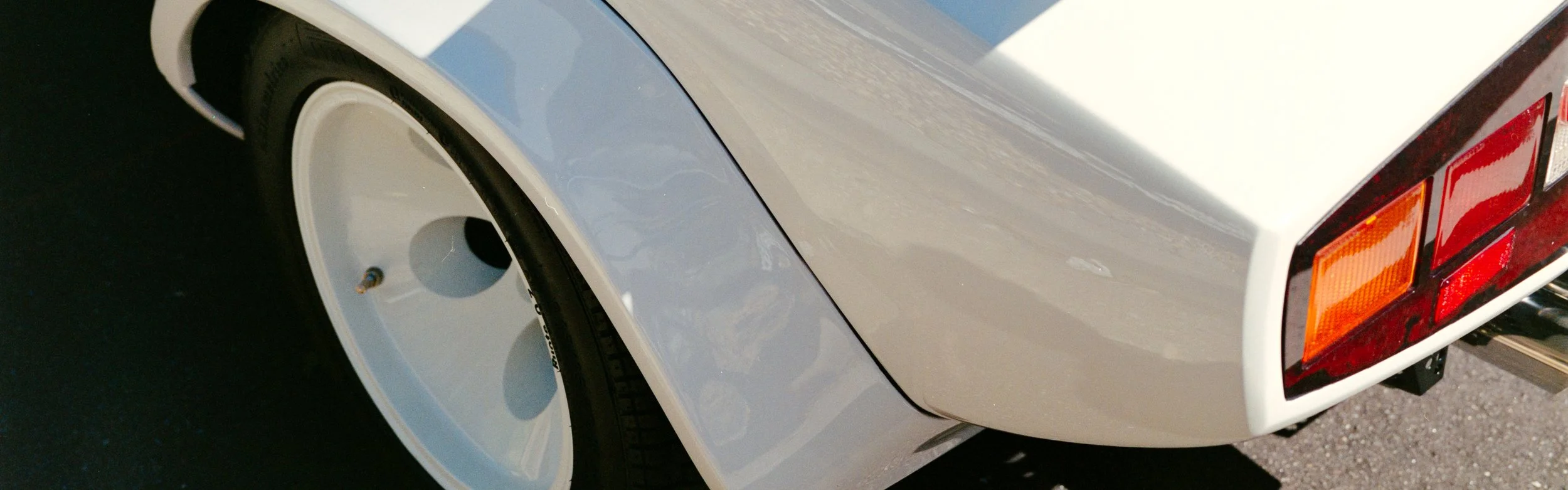
The Amelia Cruizers Fall Car Show on Centre Street in Fernandina Beach was your typical small town car show lineup with rows of polished classics, most of which I had seen before. It was a quick walk-through, but as I was leaving I turned down a side street. There, sitting three cars back, was a white Lamborghini Countach. It was almost like an afterthought, as if the star of the show had accidentally parked around the corner. People approached in disbelief. “That’s a kit car. It can’t be real, can it?” Then they got close enough to see the details. “It is the real thing!” The owner, Jacques Shelton, stood nearby, smiling as one person after another walked up and asked about the car. I waited for a gap in the crowd before introducing myself. What started as a conversation about the car quickly turned into the story of how it arrived there in the first place.
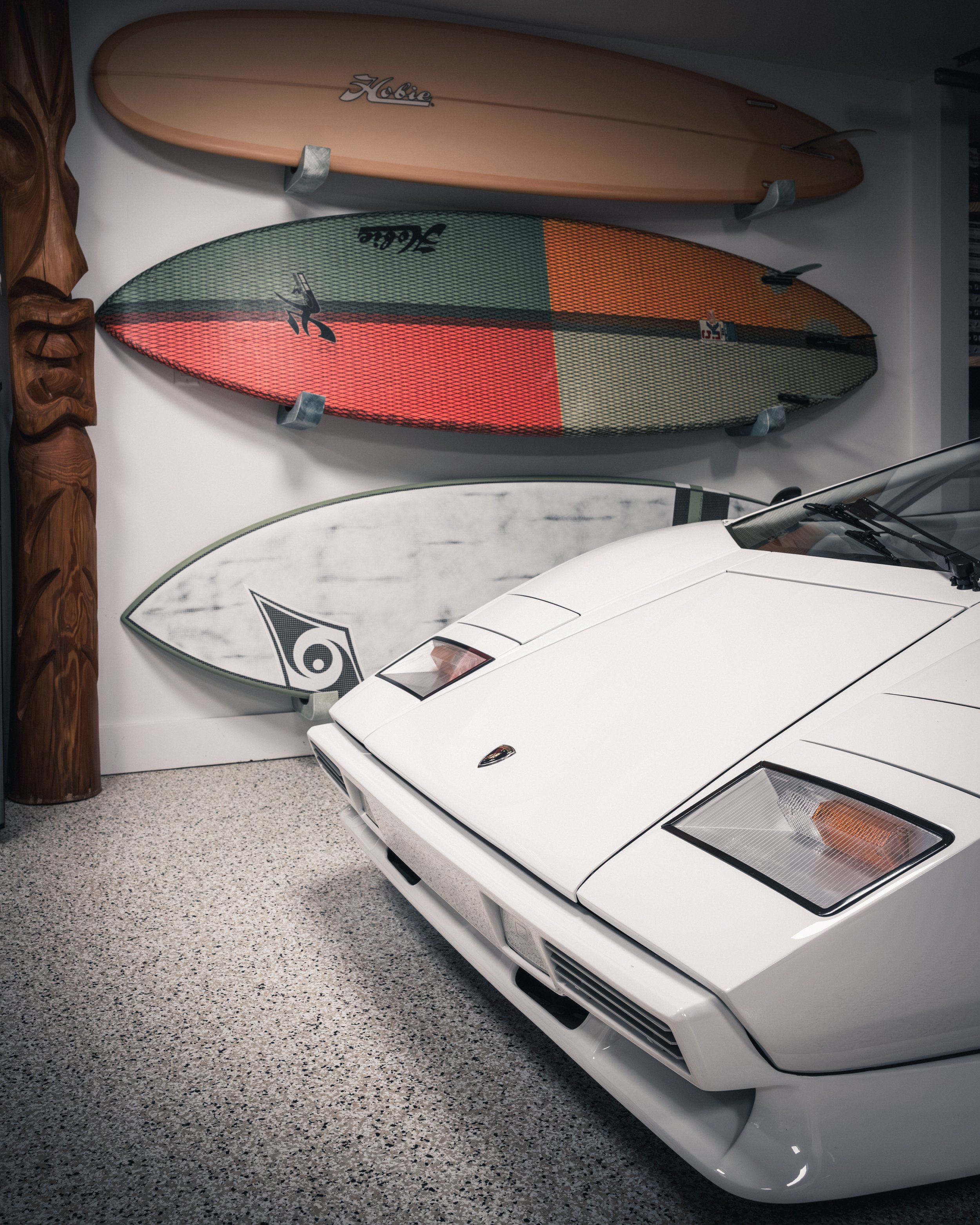
Jacques grew up on Amelia Island on the south end when it was still mostly acreage and horse ranches. More marsh than golf course. As a kid he rode horses on his neighbor’s property, tore around on his go-kart, and learned how to surf. “Regular kid stuff,” he told me.

By the age of nine he was surfing proficiently. Living on an island tends to make people either hate or love the water. He became the latter. His dad bought a longboard from an ad in the back of a magazine, and it was shipped across the country from Santa Cruz. As a kid, Jacques tried to surf on it with little luck. As an adult, he had the board repaired, waxed it up, and took it out into the surf. “It surfs horrifically bad, it’s heavy, it doesn’t turn,” he laughs now. “To the point where I thought it was just me when I was a kid. I didn’t have a reference, but I was like, This is a lot more difficult than I thought.”
How did he get into cars? “I think it was almost at birth,” he says. “I would look at cars while riding in the car. I remember at age five I’d just be enamored with wheel design or shapes. Just anything that was cool and wasn’t a Honda Civic. It didn’t matter what it was, as long as it was unique. ’70s sports cars, great cars in the ’70s and ’80s. I love all of them, and of course supercars.”
Like a lot of kids, he made terrible financial decisions in the name of horsepower. Anytime he had a little money, he bought a different car. There was one car, though, that wasn’t just a car. It was the car. The Lamborghini Countach.
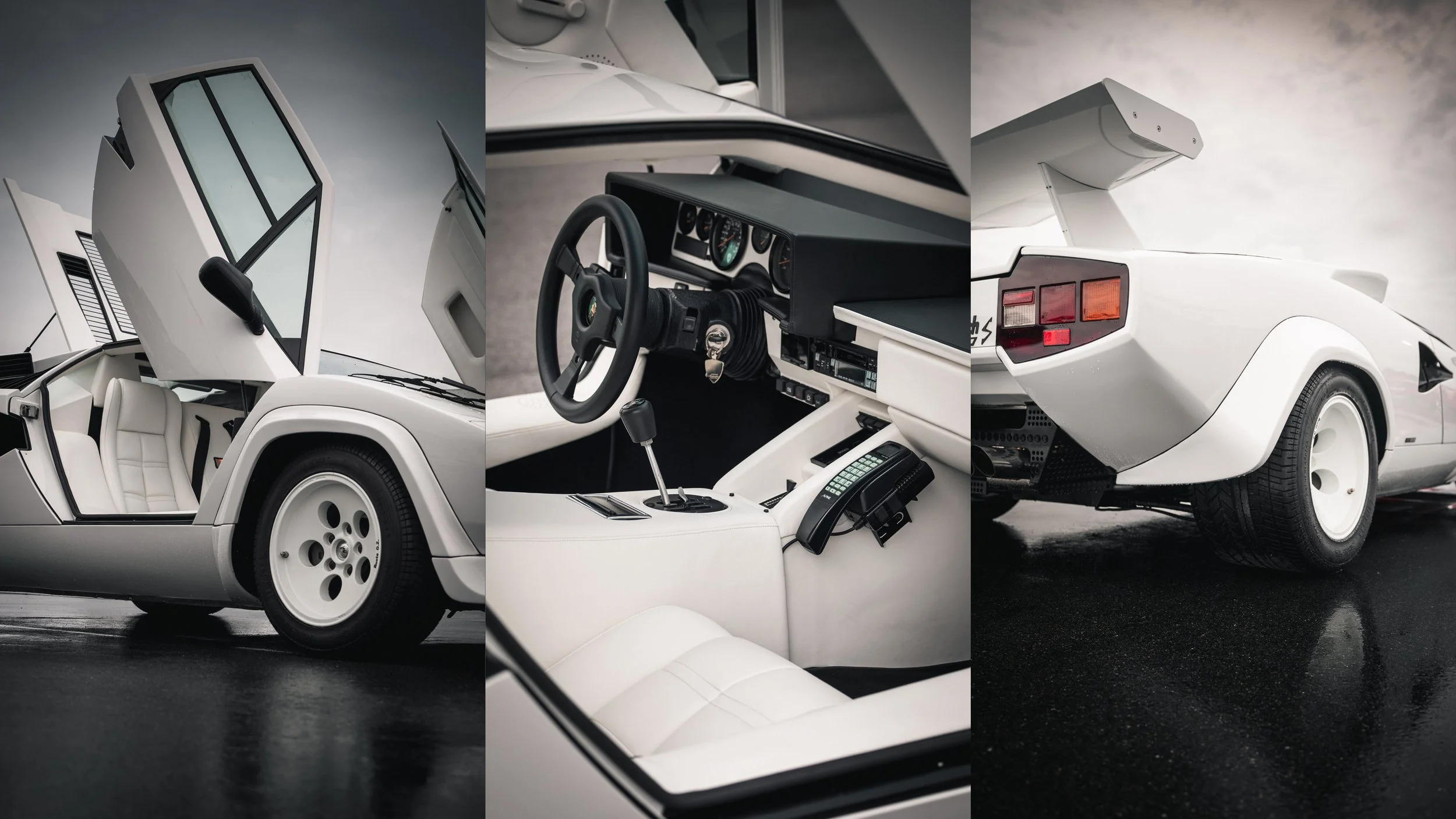
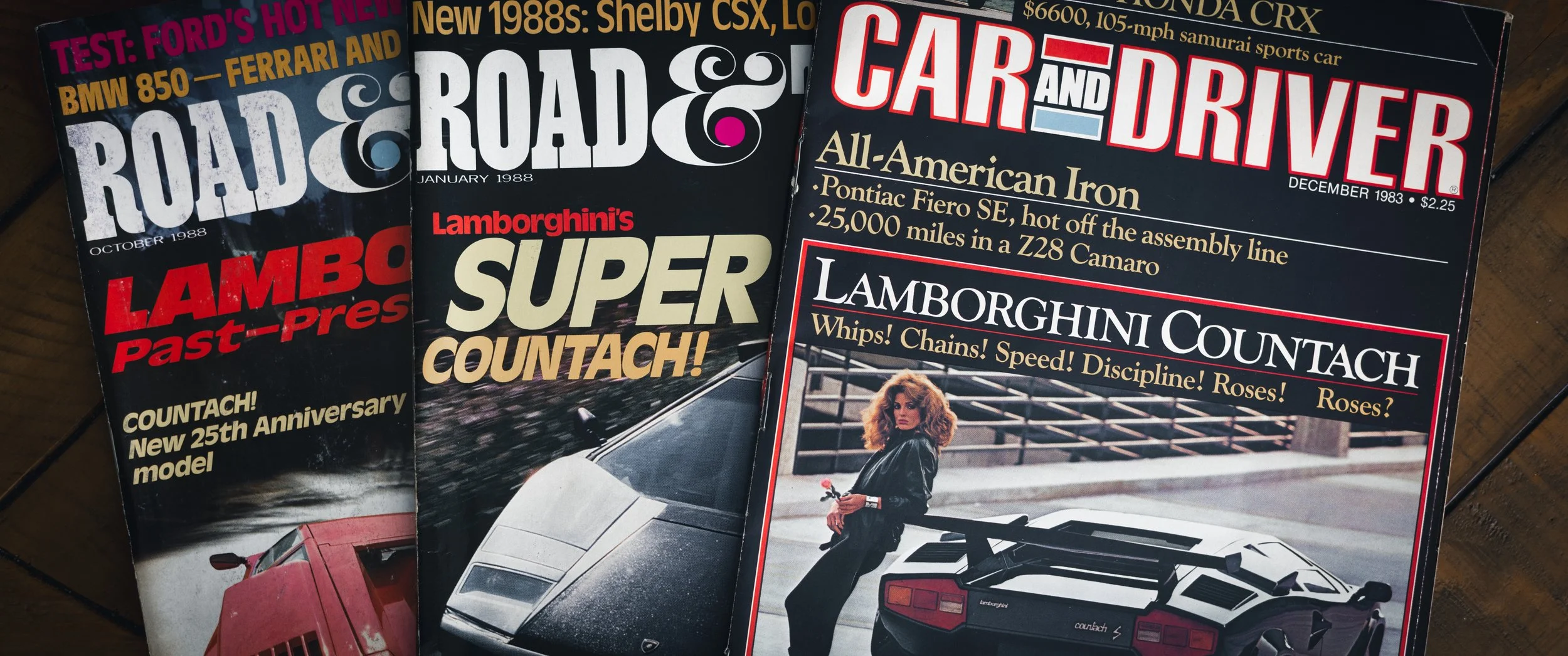
When Lamborghini unveiled the Countach prototype at the 1971 Geneva Motor Show, it didn’t look like a car from the present. Designed by Marcello Gandini at Bertone as the successor to the Miura, the wedge shaped body, scissor doors, and impossibly wide stance made it look like something that had landed from another planet. Its name literally meaning “astonishment”. It had a “wow” factor that didn’t exist at this level in the automotive world. It was a stark contrast to the curvy designs of preceding supercars, and the scissor doors became a supercar standard. By the mid-1980s it had become the poster car of a generation and was pinned to bedroom walls around the world.
Jacques found his poster at a book fair around ’85 or ’87. White paint, white wheels, white interior. Triple white. Wall Street white, Miami white. Everything a kid on a quiet island could only imagine. “I would stare at that poster for hours,” he says. “I was enamored with every bit of it.” He still has the poster. The car stayed a fantasy for decades. Even as his career grew and real cars came and went, the Countach stayed in that unreachable category.
Then one day, the car from the wall showed up in front of him when he wasn’t expecting it. A triple-white 1987 Lamborghini Countach 5000 came up for auction on Bring-a-Trailer. By then, he had just finished a long, respectable, distinguished career. He’d served as an Army Captain with the 172nd Stryker Brigade in Iraqi Freedom, leading more than a hundred soldiers in raids, patrols, and urban operations, making split-second decisions that affected the safety of his soldiers. He carried that same focus into the next chapter of his life, building a career in government and military equipment until he was head of sales at Safariland. “You’re at a point in life where you could make this happen,” he told himself. “You’d have to stretch. But you could do it.” He watched the auction. On the last day, he made the decision that unless the bidding went completely insane, he was in. It got close enough to insane as you’d want to get. But he won.
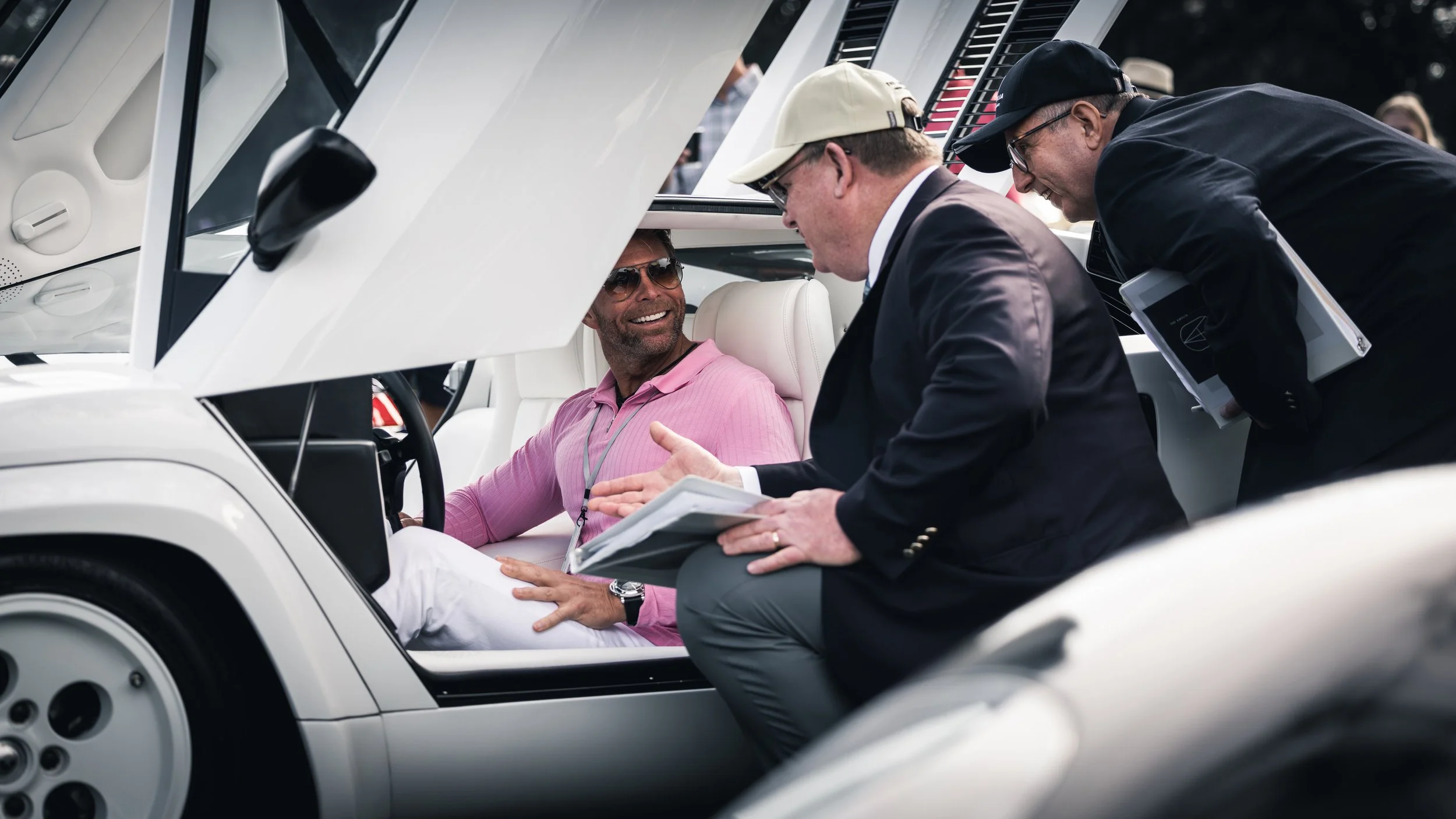
The Countach was in Chicago, tucked away in a private showroom. He flew up with a simple plan. If the car disappointed him, he would walk away. He hadn’t paid in full yet. Worst case, they would keep his deposit. No harm, no foul.
“On the plane I was honestly scared,” he says. When he arrived at the showroom, they led him up to the Lambo. They had kept it under a cover. Ferraris worth more than most neighborhoods sat on either side of it. They let him pull the cover off.
“This was not one of those ‘don’t meet your heroes’ times,” he says, “It was everything I thought it would be and more.”
Smaller than he imagined. Insanely wide. The online photos hadn’t oversold it; they’d undersold it. It was better.
“I couldn’t write the check fast enough. On the flight up, I’m thinking, If I hate it, I’m out. Five minutes later I’m like, Take my money, all of it.
”
Shortly after I met him at the car show, he entered the Lambo in the Amelia Concours almost on a whim, assuming the answer would be no. They accepted it immediately. Right out of the box, first year of ownership, he was on the lawn at Amelia with the poster car. On judging day, the judges only spent a short time with him before moving on.
“I thought the judges had written me off,” he says. “They spent more time with other cars. They barely talked to me. I figured, Okay, they’ve made up their minds. I’m out.”
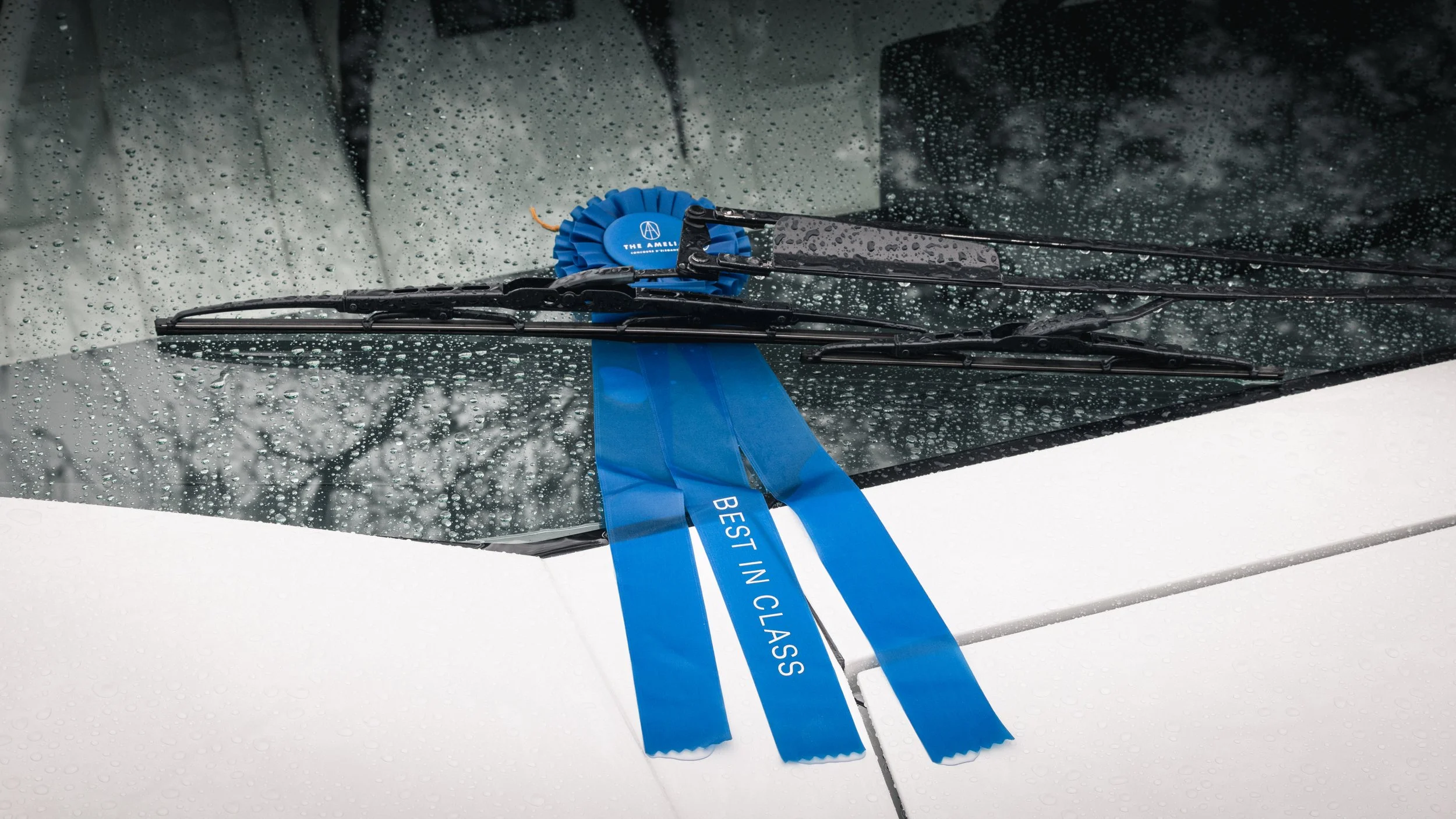
Midday rain drifted over the show field and everyone headed for cover. As it let up a little later, he walked back toward the class board, not expecting much.
There was a blue ribbon on his Countach. It had won best in class. The judges had spent so little time with him because they knew how special the car was, not because they weren’t interested.
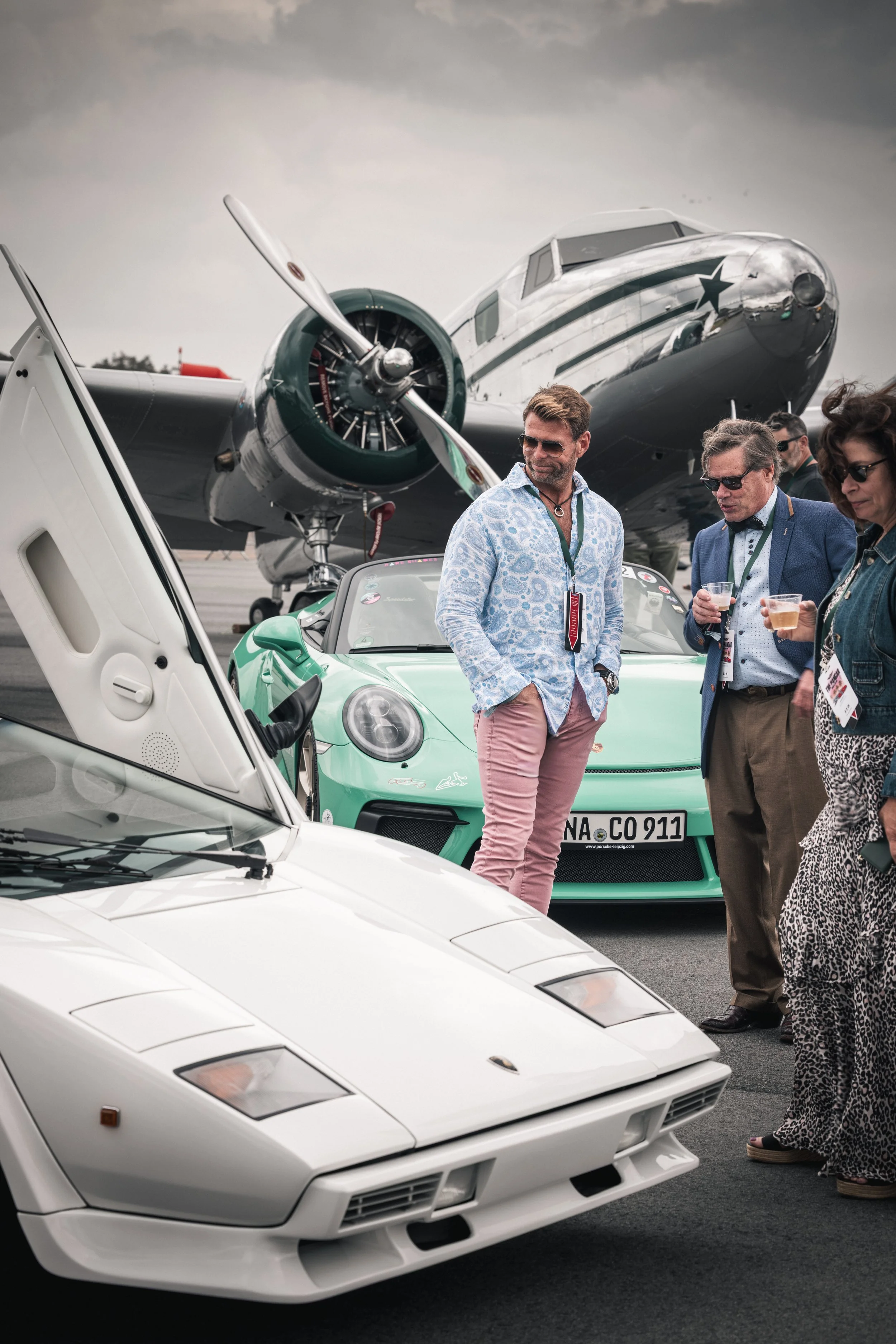
“I’m going to be honest, I lost it.” he says now, laughing. “I had to walk around the corner and get myself together. I teared up.”
After the show, he drove the Lambo weekly. He drove it all around the island, with late-night runs down past the south end where he grew up, on a road where a piece of old Florida still exists. Down past rolling sand dunes and driftwood boneyards, outrunning the old halogen headlamps. The dream wasn’t going to be a trailer queen. He was going to fully embrace the moment.
Then, when the timing was right, he sold the Countach at Pebble Beach.
“It was bittersweet,” he admits. “But I didn’t have any real regret. I had the experience. I pulled it off. Kid’s dream for sure. I checked the box.”
Everything lined up that year. Bavarian Rennsport dialed the car in beforehand. The airport hangar show party that will probably never happen again provided the perfect backdrop. That exact car, that exact show, that exact moment. It was a sequence that won’t repeat. The hangar event is gone. The car is gone. That year exists now only in photos, ribbons, and the memories of everyone who saw that shock of white on white on white.
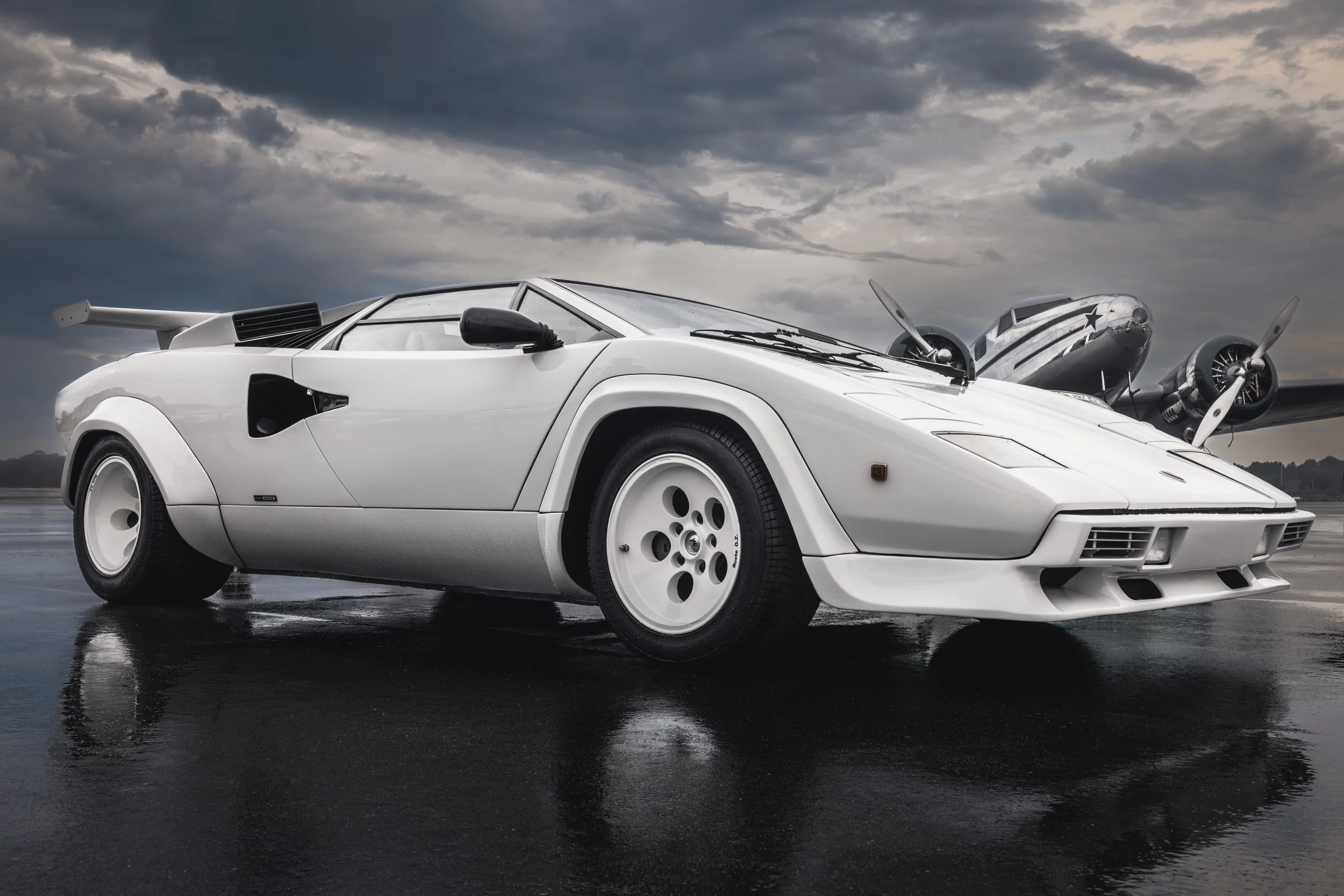
Lamborghini Countach at The Amelia Concours Fernandina Beach Florida
A special thank you to Jacques for his generosity and having me as a passenger and a friend along for the ride.
Words and Photography by Robert Milici